Where the River Teaches You to Let Go: A Journey Through Majuli, Assam
Explore Majuli, the vanishing river island of Assam, through a soulful journey into Neo-Vaishnavite culture, mask-making traditions, and resilient island life. A deep, reflective travel essay on impermanence, spirituality, and sustainable living on the Brahmaputra.
ASSAMEDITOR'S PICKS
6/8/20252 min read
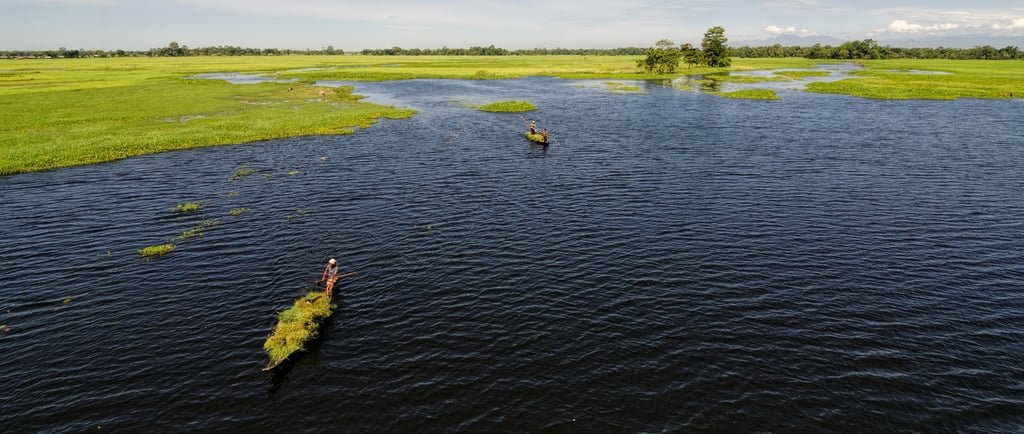
The boat rocked gently as we crossed the Brahmaputra, its muddy waters stretching endlessly in every direction. Ahead, Majuli emerged—a patchwork of green fields, bamboo huts, and distant prayer chants. It was hard to believe that this serene island, once the world's largest river island, is slowly being swallowed by the very river that nurtures it.
The Island That Breathes Impermanence
Majuli's story is one of constant change. Over the past century, the island has lost more than half its landmass due to relentless erosion by the Brahmaputra. Villages have vanished, and families have been displaced, yet life persists. The islanders adapt, rebuild, and continue their traditions, embodying a resilience that is both humbling and inspiring.
The Heartbeat of Neo-Vaishnavism
At the core of Majuli's cultural identity lies the Neo-Vaishnavite movement, initiated by the 15th-century saint Srimanta Sankardeva. The island is dotted with satras—monastic centers that serve as hubs for spiritual learning, art, and community life. In these satras, monks engage in devotional music, dance, and drama, preserving a legacy that has withstood the test of time and nature.
Masks That Tell Stories
One of Majuli's most distinctive art forms is mask-making, a tradition deeply intertwined with its spiritual practices. Artisans craft intricate masks from bamboo, clay, and cloth, bringing to life characters from Hindu mythology during bhaona performances. These masks are not mere props; they are vessels of storytelling, connecting the audience to tales of morality, devotion, and human nature.
Living Lightly on the Land
The people of Majuli have developed a way of life that harmonizes with their environment. Homes are built on stilts to withstand floods, and agriculture is adapted to the island's unique conditions. Communities rely on sustainable practices, from fishing to weaving, ensuring that their lifestyle leaves minimal impact on the fragile ecosystem.
Lessons from the River
Majuli teaches us about the impermanence of life and the importance of adaptability. The island's inhabitants have learned to embrace change, finding strength in their traditions and community bonds. Their way of life offers insights into resilience, sustainability, and the profound connection between humans and nature.
Visiting Majuli: A Guide for Mindful Travelers
When to Go: October to March offers pleasant weather and cultural festivals.
Getting There: Ferries operate from Jorhat to Majuli; check schedules in advance.
Where to Stay: Opt for homestays to experience local hospitality and support the community.
What to Do: Visit satras, attend bhaona performances, and explore the island's natural beauty.
Cultural Etiquette: Dress modestly, seek permission before photographing people, and respect local customs.
Majuli is more than a destination; it's a living testament to the human spirit's capacity to adapt and thrive amidst adversity. As the river continues its course, the island's story unfolds—a narrative of faith, art, and resilience that invites us to reflect on our own relationship with change and impermanence
Image Credit: DHRUBAZAAN PHOTOGRAPHY