What to Buy, What to Ask: A Traveler’s Guide to Northeast India’s Most Vibrant Markets
Explore Northeast India's most vibrant local markets through what to buy, what to ask, and how to engage respectfully. A practical yet immersive guide to shopping with stories, not just souvenirs.
CULTURE & HERITAGEEDITOR'S PICKS
6/26/20253 min read
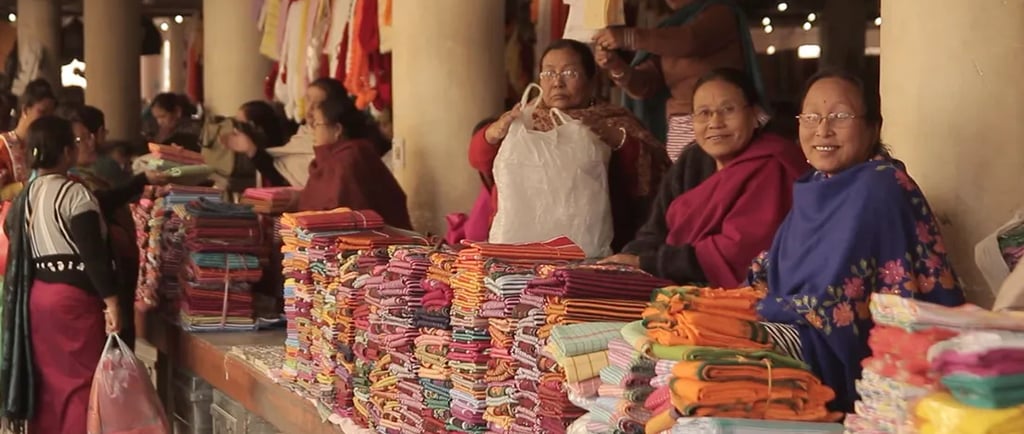
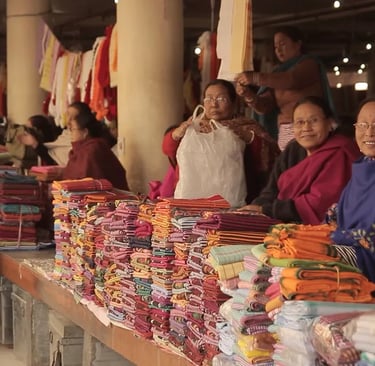
The markets of Northeast India aren’t just places to shop—they are the region’s kitchens, altars, and storybooks rolled into one. They are where grandmothers come for herbs that aren’t sold online, where teenagers haggle over spices for tonight’s stew, and where the past and present trade secrets over raw turmeric and fermented fish.
I didn’t come to these markets to buy souvenirs. I came to listen.
1. Ima Keithel, Imphal (Manipur)
They call it the Mother’s Market for a reason. Walk through its crowded lanes and you’ll see thousands of Meitei women—many in their sixties and seventies—running stalls like generals of tiny empires. One sold me black rice and laughed when I called it “organic.” She said, “Our grandmothers never needed that word.”
What to Buy: Phanek sarongs, lotus stem pickles, handwoven towels, fermented fish (ngari)
What to Ask: Ask how they learned to sell in a matriarchal setup—you might hear stories of protest marches and economic revolutions.
Etiquette Tip: Smile, be patient. Most women speak Meitei, not Hindi or English. Let gestures bridge the gap.
2. Bara Bazar, Aizawl (Mizoram)
Built into a hillside, this market is like a maze of colors and scents. I followed the trail of smoke and found a vendor roasting chili with fermented bamboo shoots. A child peeked out from behind the table, watching us watch them.
What to Buy: Mizo chillies, bamboo shoot pickle, smoked pork, traditional puan fabrics
What to Ask: Ask how they smoke the meat—it involves specific woods and days of slow curing. You’ll be offered a taste.
Etiquette Tip: Mizoram is predominantly Christian; markets open late and close early, especially on Sundays. Dress modestly.
3. Police Bazar, Shillong (Meghalaya)
At first glance, it feels like any other city market. But slip into the smaller alleys and you’ll find herbalists selling wild roots, Khasi women weaving cane baskets, and stalls stacked with turmeric still clinging to the earth.
What to Buy: Betel nut, turmeric, black sesame sweets, wild honey
What to Ask: Ask how betel nut is chewed or which roots help with colds. Often, answers come with folk tales.
Etiquette Tip: Don't haggle aggressively. The price you’re paying includes more than goods—it carries respect.
4. Ziro Daily Market (Arunachal Pradesh)
It’s not big. It’s not loud. But it’s deeply alive. I watched two Apatani women argue gently over a bundle of fern. Later, one of them taught me how to pickle it. The market is quiet but layered—like the valley itself.
What to Buy: Wild spinach, bamboo salt, fermented mustard leaves, handmade knives
What to Ask: Ask about the smoking techniques or how long something was fermented. They’ll walk you through the kitchen in their words.
Etiquette Tip: Bring your own bag and carry small change. This is not a place for flashy tourism.
5. Naga Bazaar, Kohima (Nagaland)
Here, every stall feels like a chapter in a culinary textbook. Dried river snails, axone (fermented soybean), smoked beef hanging in strips—it’s raw and honest. A woman told me, “We waste nothing. Even memory.”
What to Buy: Axone, smoked meats, local ginger, dried bamboo shoot
What to Ask: Ask how axone is made—they might show you the leaves it’s wrapped in and how long it ferments underground.
Etiquette Tip: Be mindful. Some foods might seem “exotic” to outsiders. But for Nagas, they’re identity. Don’t treat their cuisine like a curiosity.
These markets don’t sell postcards. They offer participation—if you’re willing to engage. They ask you to listen before you shop, to ask before you snap photos, and to understand that what you’re holding in your hand might be a story someone’s been telling for generations.