The Many Languages of Northeast India
Northeast India speaks in 220 + voices. From Nagamese creoles to Lepcha chants, uncover stories, threats and travel hacks behind each language.
CULTURE & HERITAGEEDITOR'S PICKSFEATURED STORIES
5/28/20253 min read

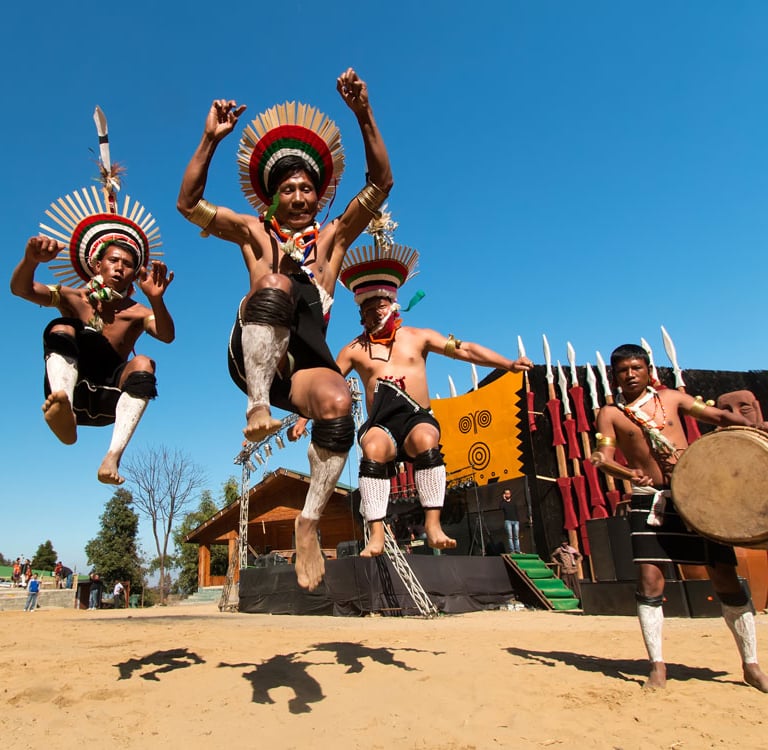
The first time I heard Nagamese, it was over a cup of tea in a bustling market in Kohima. A young vendor switched effortlessly between English, Nagamese, and her native Angami, weaving through conversations with a grace that left me in awe. In that moment, I realized that language in Northeast India isn't just a means of communication, it's a living, breathing testament to the region's rich tapestry of cultures.
A Mosaic of Tongues
Northeast India, comprising eight states, is home to over 220 languages spanning five major language families: Indo-Aryan, Tibeto-Burman, Austroasiatic, Tai-Kadai, and Dravidian. This linguistic diversity is unparalleled, with each language carrying its own history, traditions, and worldview.
In Assam, Assamese serves as the lingua franca, yet the state also embraces Bodo, Bengali, and a multitude of tribal languages such as Mising and Karbi. Nagaland thrives on its 17 recognized tribal languages, with Nagamese, a creole blending Assamese and local dialects facilitating intertribal communication. Manipur's Meitei language dominates the valley, while the hills resonate with various Naga and Kuki-Chin languages like Thadou, Paite, and Hmar. Mizoram's Mizo language, rooted in the Lushai Hills, unites its people, whereas Meghalaya celebrates Khasi, Garo, and Pnar.
In Arunachal Pradesh, the situation is even more complex. With over 90 languages spoken, including Nyishi, Adi, Apatani, and Monpa, many communities live within just a few kilometers of others with completely different tongues. Sikkim, though small, hosts a mix of Nepali, Bhutia, Lepcha, and Limbu languages. Tripura balances Kokborok, Bengali, and other tribal languages like Halam and Reang.
Languages and Identity
Language in Northeast India is deeply intertwined with identity. For many communities, preserving their mother tongue is an act of cultural resilience. The Chakma people, for instance, continue to use their script and language despite external pressures. Similarly, the Tai-Ahom community in Assam is reviving the Ahom language, once the administrative language of the Ahom kingdom, through educational initiatives and cultural programs. The Lepcha people in Sikkim have also taken strides to reintroduce Lepcha language classes in schools and document oral traditions.
Educational institutions play a pivotal role in this preservation. In Tripura, Kokborok is taught from primary levels to postgraduate studies, reinforcing its status and encouraging younger generations to embrace their linguistic heritage. The North East Language Centre and various universities are documenting and promoting endangered languages through curriculum development and community outreach.
The Role of Lingua Francas
While the region's linguistic diversity is vast, certain languages bridge communication gaps. English often serves as an official language across the states, facilitating administrative and educational functions. In markets and urban centers, Hindi and Assamese are commonly heard, enabling interactions among diverse groups. These lingua francas coexist with local languages, creating a dynamic linguistic environment where code-switching is a daily norm.
Nagamese in Nagaland, Haflong Hindi in parts of Assam, and a form of simplified Hindi in Arunachal Pradesh are examples of localized lingua francas that ease everyday interactions in multilingual settings.
Challenges and Preservation Efforts
Despite the vibrancy, many languages in Northeast India face the threat of extinction. Urbanization, migration, and the dominance of major languages contribute to the erosion of smaller dialects. Recognizing this, various organizations and community groups are working tirelessly to document and revitalize endangered languages. Digital platforms, community radio, and literature festivals are emerging as effective tools in these efforts.
Projects like the Endangered Languages Documentation Programme and initiatives by the People’s Linguistic Survey of India are providing a platform for these languages to be recorded and taught to future generations.
Travel Tips for the Linguistically Curious
Engage Locally: Learn basic greetings in the local language; it fosters goodwill and enriches your experience.
Respect Linguistic Preferences: Some communities may prefer their native tongue over Hindi or English; be patient and open-minded.
Support Local Media: Purchase local newspapers or listen to regional radio stations to immerse yourself in the linguistic landscape.
Participate in Cultural Events: Attend festivals and community gatherings where language and culture are celebrated.
Visit Local Language Museums or Centers: Places like the Centre for Endangered Languages at Tezpur University offer insights into the region’s linguistic wealth.
Traveling through Northeast India is a journey through a symphony of languages, each note telling a story of heritage, resilience, and identity. As travelers, embracing this linguistic diversity not only enriches our understanding but also contributes to the preservation of these invaluable cultural treasures.
So, the next time you find yourself in a bustling market or a quiet village in this region, take a moment to listen. In the cadence of conversations, you'll hear the heartbeat of Northeast India.