Explore Meghalaya's Living Root Bridges
Discover the ancient living root bridges of Meghalaya, a stunning example of indigenous craftsmanship and sustainable architecture. Journey through lush forest trails and immerse yourself in the rich cultural wisdom of this unique region.
MEGHALAYAFEATURED STORIESNATURE & WILDLIFE
5/31/20253 min read
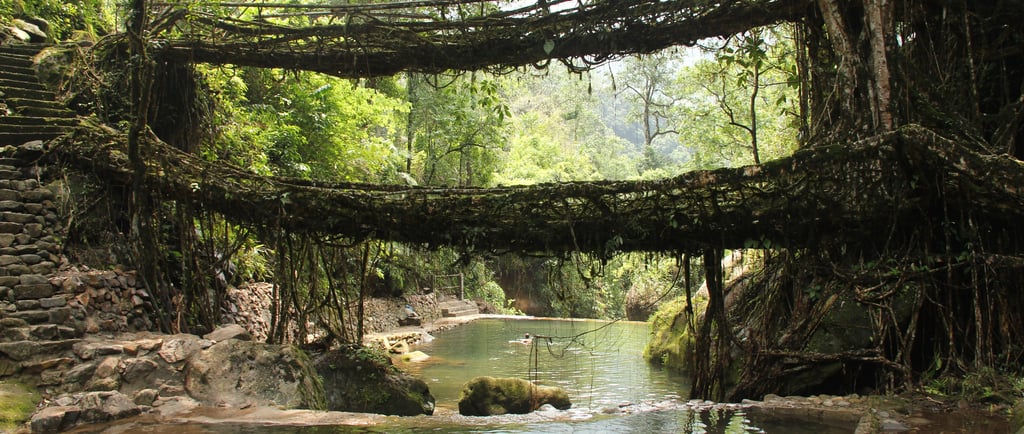
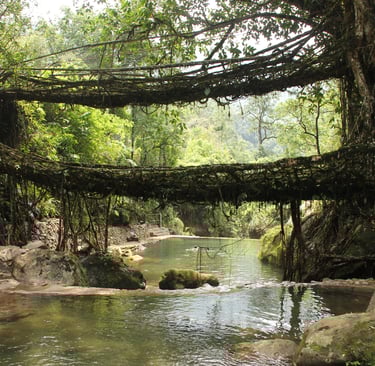
I still remember the moment I first saw the Double Decker Living Root Bridge in Nongriat. After descending nearly 3,000 moss-covered steps through dense forest, the sight was surreal. Two tiers of living roots, woven over generations, spanned the river, forming a bridge that seemed to pulse with life. It wasn't just a crossing—it was a testament to human ingenuity and nature's resilience.
A Legacy Rooted in Tradition
In the heart of Meghalaya's East Khasi Hills, the indigenous Khasi and Jaintia communities have, for centuries, practiced a unique form of bioengineering. By guiding the aerial roots of the Ficus elastica tree across rivers and streams, they've created living bridges known locally as jingkieng jri. These structures, some over 500 years old, are not merely functional—they're symbols of a harmonious relationship between humans and nature.
The process is meticulous. Young roots are directed using hollowed-out betel nut trunks or bamboo scaffolding. Over time, these roots strengthen and intertwine, forming sturdy bridges that can withstand the region's heavy monsoon rains. It's a practice that requires patience, foresight, and a deep understanding of the environment.
The Double Decker Marvel of Nongriat
Among the many living root bridges, the Double Decker bridge in Nongriat stands out. This two-tiered structure, believed to be over 250 years old, showcases the pinnacle of this bioengineering art. The journey to reach it is challenging—a trek through lush forests and steep descents—but the reward is unparalleled. Nearby, the Rainbow Falls adds to the allure, with its cascading waters creating ethereal rainbows in the mist.
A Network of Natural Bridges
Meghalaya is home to over 100 known living root bridges, each with its own story. The Rangthylliang 1 bridge, stretching over 50 meters, is considered the longest. In the village of Mawlynnong, often dubbed the "cleanest village in Asia," the Riwai root bridge offers easier access for travelers. Each bridge is a testament to the community's dedication to preserving their heritage and environment.
Cultural Significance and Modern Recognition
These bridges are more than architectural feats; they're integral to the cultural fabric of the Khasi and Jaintia people. They serve as vital links between villages, facilitating trade, communication, and cultural exchange. Recognizing their importance, the Meghalaya government, in collaboration with UNESCO and other organizations, is working towards securing World Heritage status for these structures. This initiative aims to preserve the bridges and promote sustainable tourism in the region.
Travel Guide: Experiencing the Living Root Bridges
Best Time to Visit:
October to March offers pleasant weather and safer trekking conditions.
Avoid the monsoon season (June to September) due to slippery trails and potential landslides.
Getting There:
Fly into Shillong Airport (Umroi) or Guwahati Airport.
From Shillong, hire a taxi or take a bus to Cherrapunji (Sohra).
Begin your trek from Tyrna village to reach Nongriat.
Where to Stay:
Cherrapunjee Holiday Resort offers comfortable accommodations and guides.
Homestays in Nongriat provide an immersive cultural experience.
What to Pack:
Sturdy trekking shoes with good grip.
Rain gear and waterproof bags.
Water bottles and energy snacks.
Basic first aid kit.
Local Etiquette:
Seek permission before photographing locals.
Dress modestly and respect local customs.
Avoid littering; carry back all waste.
A Reflection on Nature and Humanity
Walking across these living root bridges, one can't help but feel a deep connection to the land and its people. They remind us of the possibilities that arise when humans work in harmony with nature, crafting solutions that are both functional and sustainable. In an age of rapid technological advancement, these bridges stand as enduring symbols of patience, community, and respect for the environment.
If you're seeking an experience that transcends typical travel, a journey to Meghalaya's living root bridges offers not just scenic beauty, but profound lessons in resilience and harmony.