The Hidden Kingdoms of Manipur: Walking Through the Legacy of the Meitei Dynasty
Explore the enduring legacy of Manipur's Meitei dynasty through its living traditions, from ancient manuscripts and sacred rituals to vibrant markets and festivals. This immersive travel essay uncovers how history, faith, and daily life intertwine in the heart of Northeast India.
CULTURE & HERITAGEMANIPURFEATURED STORIESEDITOR'S PICKS
5/27/2025
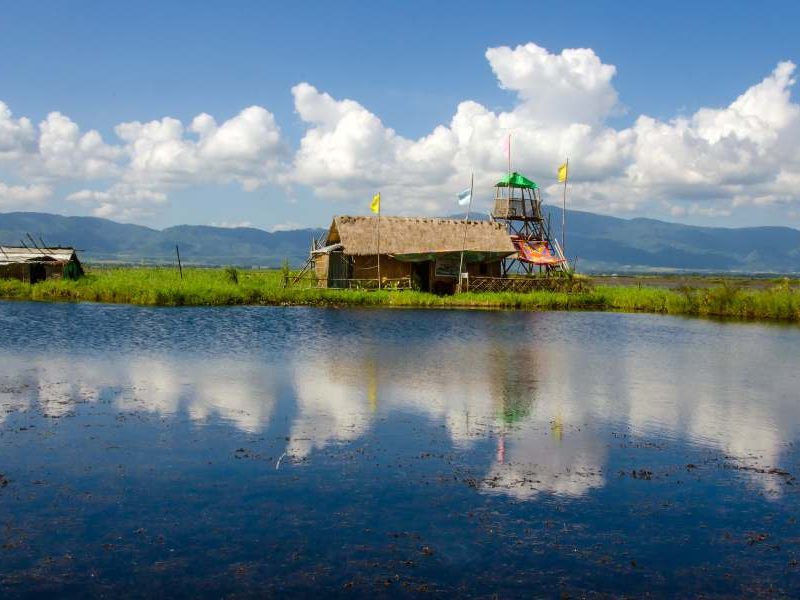
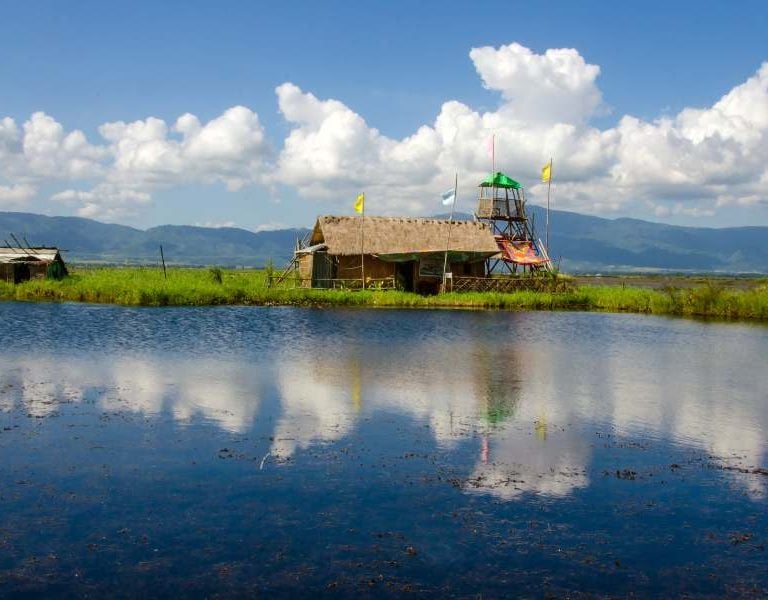
I didn’t come to Manipur looking for legends. I came for something real. And in Kangla Fort, under a sky heavy with clouds and stories, I found it. The place didn’t scream its history. It let you feel it quietly, like someone lighting incense in a temple they’ve known their whole life.
The Meitei Dynasty: At the Core of It All
At the heart of Manipur’s living history is the Meitei dynasty. This was not just a line of rulers-it was the force that shaped a civilization. Beginning with Nongda Lairen Pakhangba in 33 CE, the Meitei kings unified the valley’s clans and built a society rooted in ritual, respect, and rhythm. What they left behind is not buried in textbooks. It’s everywhere—in the way homes are built, festivals are celebrated, and stories are told.
The dynasty’s influence was not only political. It was cultural and spiritual. The Meiteis codified their world through the Loiyumpa Silyel, mapped their stories in the Cheitharol Kumbaba, and preserved their wisdom in palm leaf manuscripts. These weren’t just tools of governance. They were blueprints for life. That sense of deliberate design still shapes the pulse of daily life here.
A Kingdom That Refuses to Disappear
This isn’t a place frozen in time. Manipur, or Kangleipak as you’ll hear it called here, is a kingdom still moving. You taste it in the smoked bamboo shoot stew, hear it in the murmur of old men playing chess by the roadside, and see it in how a woman tightens her scarf before heading into the market. The past doesn’t just linger here. It works the cash register. It cooks your lunch.
The Meitei legacy lives in every corner. In how people greet each other. In how tradition and modernity sit comfortably at the same table. You don’t need to be told this was once a great kingdom. You just feel it.
In Museums, Markets, and Kitchens
Step into the Manipur State Museum and the air feels dense with history. The palm leaf manuscripts aren’t behind too much glass. They’re worn, lived-in. The Loiyumpa Silyel, written during King Loiyumba’s rule, is more than law. It’s the first recipe book for how to run a society, from blacksmiths to bards. That same rhythm of structure continues to hum today—in how the local markets run, how festivals are organized, how elders are respected.
You’ll find that rhythm in kitchens too. In a homestay, dinner isn’t rushed. It’s remembered. Meals are timed not by clock, but by the rhythm of the fire. Culture doesn’t just survive in books. It lives in the hands that knead dough and grind herbs.
Faith on Every Corner
Religion in Manipur doesn’t arrive with loudspeakers. It’s subtle. Sanamahism, the indigenous belief system, is practiced quietly, gracefully. You’ll spot a small shrine tucked under a banyan tree, a flickering lamp, a child bowing briefly before heading to school. The old gods never left. They just stopped needing introductions.
But faith evolved too. In the 18th century, King Pamheiba of the Meitei dynasty embraced Vaishnavism, centered on Krishna. Today’s Ras Lila performances are the cultural love child of that era—graceful, meditative, powerful. Watching it once, under oil lamps, you’ll forget your phone. The movements are slow, deliberate, and holy. No Instagram filter can match that kind of presence.
History That Lives, Not Lingers
Kangla Fort could have been a ruin. Instead, it’s a heartbeat. In 1891, the British cracked down hard. Took the kingdom. Exiled the king. But somehow, they didn’t take the spirit. Locals still walk these paths not to remember, but because they never left them.
You feel it in the silence between conversations, in the nods between generations. This isn’t heritage kept alive. This is heritage that never died. Manipur became part of the Indian Union in 1949, and a state in 1972. But the Meitei story didn’t end. It expanded.
The Present That Carries the Past
Manipur invites you into its present like an old friend showing you a photo album. But in this album, the photos talk back. They cook for you. They dance. They walk you through marketplaces lined with color and conversation.
At Kangla Fort, you can hear more in the silence than any guide could tell you. During Lai Haraoba, you’ll see stories of creation retold through ancient songs and dances. In Ima Keithel, the all-women market, power isn’t loud. It’s wrapped in shawls and served with a side of fermented fish and a sharp wit.
Everywhere you look, the past stands shoulder to shoulder with the present. And if you slow down long enough, it might just tell you something worth remembering.
From Story to Journey: Planning Your Visit
So you’ve wandered through time and tasted a kingdom’s soul. If Manipur is calling your name, here’s how to make the trip real.
Getting There:
Fly into Imphal Airport from Delhi, Kolkata, or Guwahati.
Prefer a road trip? The drive from Guwahati or Dimapur is scenic. Just watch the curves.
Indian citizens don’t need an Inner Line Permit. Foreigners need to register with the FRO.
When to Go:
October to March gives you festivals, clear skies, and cool evenings.
Monsoons are lush but wet. Beautiful if you’re not in a hurry.
Where to Stay:
Homestays are where the stories live. Expect warm food, shared laughter, and rooms with character.
What to Eat:
Eromba. Spicy. Pungent. Honest.
Chamthong. Soup for the soul.
Ask a local. Trust your nose. If it smells unfamiliar, it probably tastes amazing.
What to Buy:
Handwoven textiles. Black pottery. Anything with Meitei Mayek script on it.
What Not to Miss:
Yaoshang: Spring’s wild child. Music. Dance. Sports.
Lai Haraoba: Where ancient ritual meets raw emotion.
Sangai Festival: Manipur on full display. Food, crafts, spirit.
Cultural Do’s and Don’ts:
Dress modestly, especially in sacred spaces.
Ask before you click.
Listen more. Speak less. That’s where the magic is.
Essentials:
Mobile networks are decent. Internet slows in the hills.
Carry cash. Many places aren’t on the digital grid yet.
Pack smart: walking shoes, a refillable bottle, sunscreen, mosquito repellent.
Manipur doesn’t want to impress you. It wants you to understand it. Slowly. Honestly. One cup of tea, one quiet moment, one shared smile at a time. Come ready to listen. Come willing to stay a little longer. Because here, the kingdom still whispers if you’re paying attention.