Pink Skies, Khasi Songs: Shillong’s Cherry Blossom Festival
Experience the Shillong Cherry Blossom Festival through stories of music, food, and community beneath the pink blooms. A heartfelt journey into Khasi culture and seasonal celebration in Northeast India.
MEGHALAYAFESTIVALSEDITOR'S PICKS
6/19/20253 min read
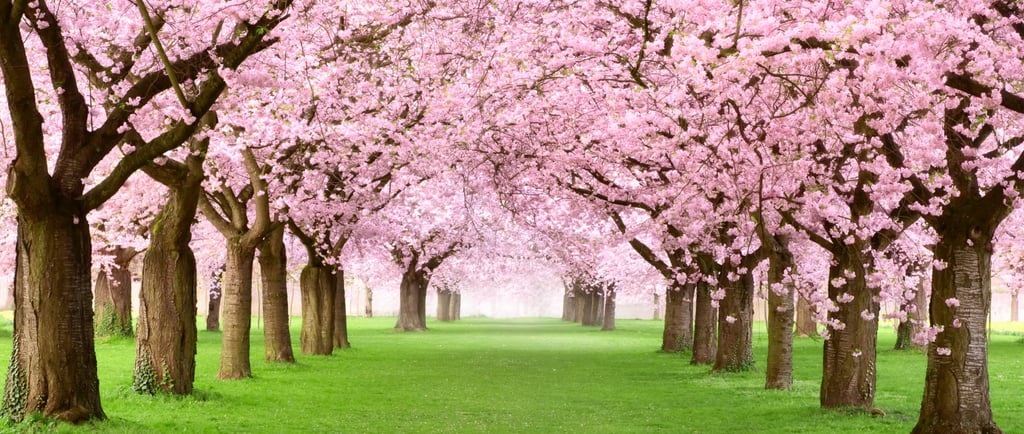
The first thing I noticed wasn’t the trees. It was the sound. Somewhere between the food stalls and the makeshift stage, a young Khasi band was rehearsing. Guitar chords floated under the pink canopy, their lyrics a blend of English, Khasi, and something entirely local. It wasn’t just a concert. It felt like Shillong, tuning up.
The Cherry Blossom Festival in Shillong is a newer tradition, but it already feels rooted. Held every November when the Himalayan cherry trees bloom in delicate waves of blush, the city shifts. Roads are lined with soft pink. Teenagers wear flower crowns. Elderly women carry trays of pickled bamboo shoots and wild berries. The air smells like pine and street food.
I walked past a row of stalls, each run by someone with a story. One was manned by two sisters who served steaming tungtap chutney with rice cakes. "We do this every year," one of them told me. "It helps pay for school." A few feet away, a schoolgirl sold cupcakes shaped like cherry blossoms. She smiled shyly when I asked if she baked them. "With my mother. Every year, the trees return. So do the songs."
Behind one of the tea stalls, I met a young man named Neil who had built his cart from discarded wood and parts of an old scooter. He brewed black tea with lemongrass and sold it with sticky rice wrapped in banana leaves. "I used to be in Bangalore," he said. "Came home during COVID. Stayed. This," he gestured to the line of people waiting for tea, "feels more honest."
The festival is more than blooms. It’s cultural convergence. Khasi drummers share stage time with Korean pop dancers. Handwoven shawls lie beside anime stickers. Under one tent, elders sing traditional lullabies. Under another, DJs spin late into the night. Shillong, ever the storyteller, lets it all exist side by side.
Later that day, I joined a small storytelling circle near the Shillong Public Grounds. A Khasi elder, dressed in crisp white and maroon, spoke in low tones to a group of children. He was telling the story of how the cherry trees first came to bloom in the highlands—a tale of a sky spirit falling in love with a village girl. "The trees bloom when she remembers him," he said. The children were silent, eyes wide, leaves crunching under their crossed legs.
Nearby, college students from Nagaland performed a fusion of tribal chants and jazz. They ended with a song about seasons—how all things come back, even the lost ones. An older woman standing beside me sighed and said, "This city is made of returns."
A painter from Laitumkhrah had set up an easel near the festival’s quieter corner. He painted the crowd in watercolors—soft faces, fluid trees, musicians caught mid-strum. “I come every year,” he told me. “But I paint a different tree each time. They change. So do we.”
One evening, I sat on a stone bench near Ward's Lake. Cherry petals floated on the water, and next to me, a man tuned a duitara—a traditional string instrument. "My father played this at village festivals," he said. "Now my son plays it here. Maybe the trees remember him."
As the sun set, soft lights lit up the cherry trees. Under their branches, food stalls bustled. I joined a group around a fire bowl, passing plates of smoked pork, rice beer, and spicy tamarind chutney. A young woman from Sohra told me, "It’s the only time of year my whole family comes to Shillong. For us, it’s reunion."
Later, I sat near a group of dancers taking a break. One of them, a boy barely seventeen, leaned back and said, “We practice for weeks, just for these few nights. But it’s not for the audience. It’s to remember who we are.”
On the final night, I wandered through the main stage area one last time. A Hindi indie band wrapped up their set with a cover of an old Khasi ballad. People sang along, hands waving. It didn’t matter that half didn’t know the words. The feeling was fluent.
The beauty of the blossoms is fleeting. They last just days. But their arrival is a reminder—of rhythm, of return, of the joy in marking time. In Shillong, that joy is shared. You feel it in every bowl of jadoh passed between friends, in the way strangers sing the same line of a Khasi chorus, in the pink blur that coats your camera lens. You see it in the tears of grandparents dancing with grandchildren, in vendors wiping their hands to clap for their niece on stage.
You come for the trees. You stay for the voices. And if you’re lucky, you leave with a little of both, blooming quietly inside you—like a season waiting to return.