Not Just a Pretty Picture: Dawki Beyond the Instagram Frame
Explore the real Dawki beyond the iconic Umngot River photos—meet its people, culture, and challenges. A grounded, respectful guide to responsible travel in Meghalaya
MEGHALAYAFEATURED STORIES
6/7/20252 min read
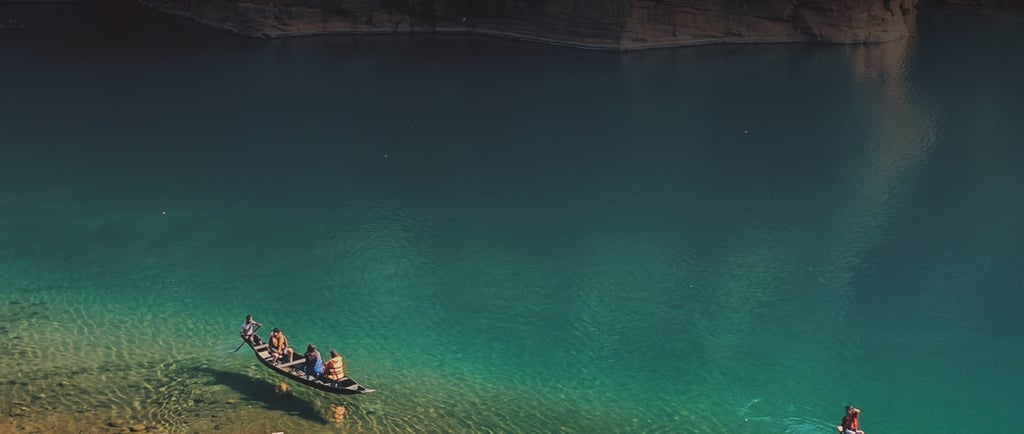
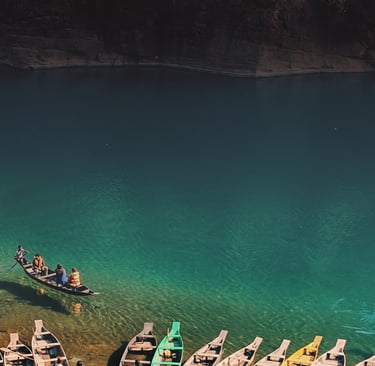
The boat glided silently over the Umngot River, its wooden hull casting a faint ripple across the glassy surface. From above, it looked as if we were floating on air—so clear was the water that the riverbed, strewn with smooth stones, seemed just an arm's length away. Around me, tourists leaned over the sides, phones in hand, capturing the illusion.
This is the image that has made Dawki famous: boats suspended over invisible water, a natural wonder turned viral sensation. But as I stepped off the boat and wandered into the town, I realized there was more to Dawki than its photogenic river.
The Town Beyond the River
Dawki is a border town in Meghalaya's West Jaintia Hills district, nestled between the Khasi and Jaintia hills. It's a place where cultures converge, where the hills of India meet the plains of Bangladesh. The town's market buzzes with activity—vendors selling fresh produce, spices, and textiles. Children dart between stalls, their laughter mingling with the calls of hawkers.
Here, the Khasi community thrives, maintaining traditions passed down through generations. The matrilineal society places women at the center of family and inheritance, a structure that shapes daily life in subtle yet profound ways. Elders sit in the shade, sharing stories, while younger generations balance the old ways with the new influx of tourism.
The popularity of Dawki has brought economic opportunities, but also challenges. The influx of visitors has strained local resources, leading to concerns about environmental degradation. The Umngot River, once pristine, faces threats from increased boat traffic and littering. Local communities have voiced opposition to proposed hydroelectric projects that could disrupt the river's flow and ecology.
In response, the Meghalaya government has introduced initiatives like the "Green Deposit" scheme, requiring tourists to pay a refundable deposit to discourage plastic use. Efforts are also underway to promote community-based tourism, ensuring that locals benefit directly from the industry.
Experiencing Dawki Respectfully
To truly appreciate Dawki, it's essential to look beyond the Instagrammable moments. Engage with the community, learn about their customs, and support local businesses. Here are some tips for a respectful visit:
When to Go: October to April offers clear skies and the best river conditions.
Getting There: Dawki is about a 3-hour drive from Shillong. Shared taxis and buses are available.
Where to Stay: Opt for homestays in nearby villages like Shnongpdeng or Darrang to experience local hospitality.
What to Eat: Try traditional Khasi dishes like jadoh (rice with meat) and tungrymbai (fermented soybean).
What to Buy: Handmade bamboo crafts and local textiles make meaningful souvenirs.
Etiquette: Dress modestly, ask before taking photos of people, and be mindful of local customs.
Dawki's beauty is undeniable, but its true essence lies in its people and their resilience. By engaging with the community and respecting the environment, we can ensure that this gem remains unspoiled for generations to come.
If you'd like assistance in expanding this into a full 2000-word blog post, incorporating more personal anecdotes and detailed cultural insights, feel free to let me know.