More Than Margins: Debunking the Top 5 Stereotypes of the Northeast
Challenge five common myths about Northeast India and uncover the region’s rich cultural, ethnic, and modern complexity. A must-read for travelers, educators, and anyone ready to see beyond the margins.
FEATURED STORIESEDITOR'S PICKS
6/30/20253 min read
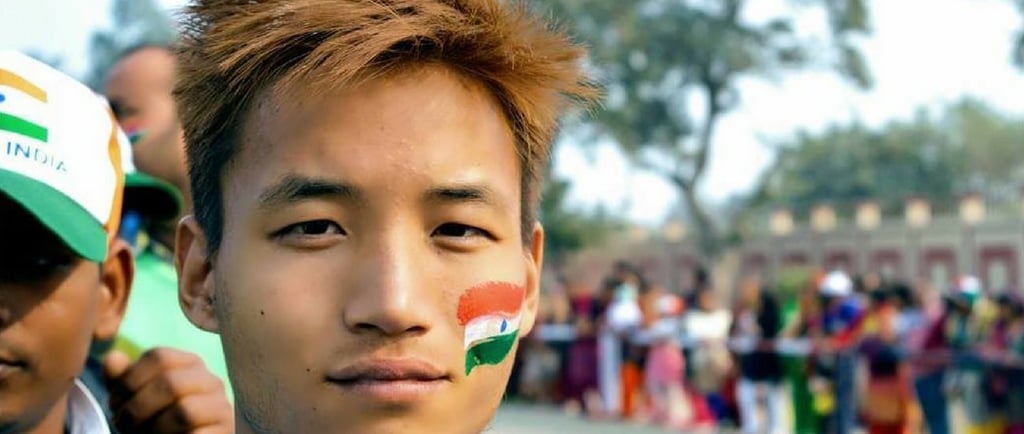
“They say it’s ‘remote.’ Yet every time I stood in a market—from Kohima to Tawang—I felt at the very heart of things.”
If you grew up outside Northeast India, chances are you were handed a version of the region that was more myth than map. A place distant in the mind, drawn in broad strokes—‘tribal,’ ‘wild,’ ‘insurgent,’ ‘untouched.’ What’s often left out is context, complexity, and actual lived experience. These myths aren’t just inaccurate—they’re a symptom of how the region has long been positioned at the edges of mainstream Indian imagination.
Let’s take five of the most persistent stereotypes—and look at the stories that shatter them.
Myth 1: “It’s All One Culture”
To lump the Northeast into a single cultural category is like saying Europe is ‘just Western.’ Mizoram is not Manipur. The Apatanis of Arunachal have nothing in common with the Dimasa of Assam. The Khasis are matrilineal, the Nagas have dozens of tribes with distinct dress and languages, and Sikkim blends Himalayan Buddhism with Lepcha animism and Nepali heritage.
In reality, the region holds more than 200 ethnic communities, each with its own language, food, attire, and ancestral memory. Walking from one village to another in the same district can feel like crossing borders. And yet, there’s a quiet thread of resilience and rootedness that connects them—if you take time to listen.
Myth 2: “It’s Isolated and Backward”
Isolated from what? The Northeast has had centuries-old trade routes with Tibet, Myanmar, and Southeast Asia. Towns like Imphal and Sadiya were vibrant junctions long before colonial borders cut through.
And backward? Try spending time in a Zeliangrong village where rainwater harvesting and community agriculture are interwoven with rituals. Or visit a startup café in Shillong where QR code menus sit beneath handwoven ceiling mats. Modernity looks different here—it’s not malls and metros. It’s smart, sustainable, and deeply local.
Myth 3: “People Don’t Look Indian”
This one runs deeper than ignorance—it stings of exclusion. When people question if Mizos or Nagas are ‘really Indian,’ they forget the geography of belonging. India’s borders didn’t always look this way. Northeast India is Indian not because of its appearance, but because its people have lived, voted, struggled, and celebrated within this nation for decades.
Ethnic features here often resemble Southeast Asia—and why shouldn’t they? The region is closer to Bangkok than to Delhi. But ‘looking Indian’ cannot and should not have a template. India is plural in its faces, and Northeast India is part of that pluralism.
Myth 4: “It’s Dangerous”
Yes, parts of the Northeast have experienced conflict—some still do. But to paint the entire region with the brush of insurgency is not only misleading, it’s damaging. I’ve walked alone through villages in Nagaland, hitchhiked in Arunachal, stayed in homestays in Mizoram—and found more hospitality than harm.
Local communities go out of their way to make visitors feel welcome. The real danger? That a lack of accurate representation continues to keep curious travelers away. That young locals are asked where they’re ‘really from’ in their own country.
Myth 5: “There’s Nothing to See Except Nature”
Sure, the landscapes are stunning. But to reduce the region to just waterfalls and hills is like saying Rajasthan is just desert. The Northeast is alive with living heritage—masked dance forms in Majuli, weaving styles in Manipur, oral epics in Arunachal, centuries-old wooden churches in Mizoram.
Markets bustle with wild herbs and fermented delicacies. Towns blend old-world calm with youthful vibrancy. And people—artists, farmers, teachers, monks—carry stories that never make it to tourist brochures.
So, What’s the Cost of These Myths?
The cost is erasure. When a region is seen only through stereotype, its people are seen as footnotes. And yet, every trip I’ve made to the Northeast has reminded me: this isn’t India’s fringe. It’s India, full stop. Its voice matters. Its stories matter.
And maybe the real journey isn’t just to travel through these states, but to unlearn what we were told about them.