5 Dishes, 5 Stories: North East India on a PlateYour blog post
Discover five traditional dishes from Northeast India through intimate, real-life stories that celebrate culture, community, and culinary heritage. A soulful journey into the kitchens and hearts of the region.
FOOD & FLAVOURSFEATURED STORIES
6/9/20254 min read
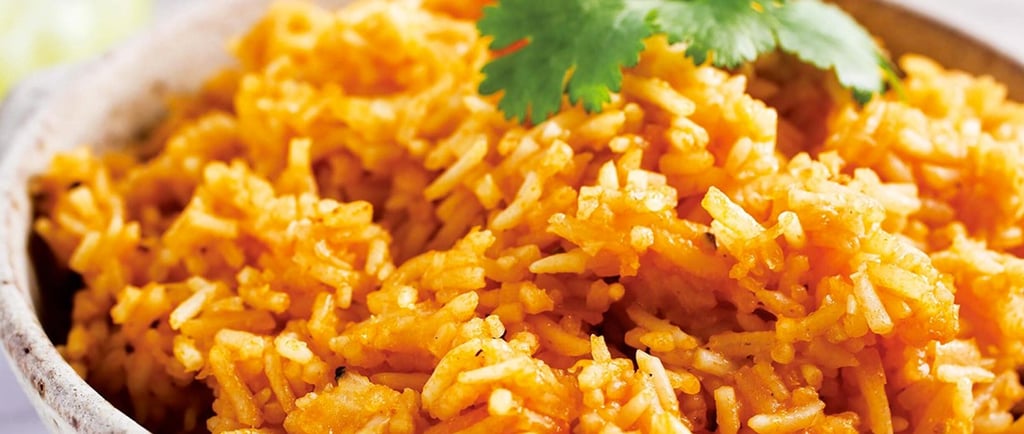
In the lush, misty hills and river valleys of Northeast India, food is more than sustenance—it's a narrative of identity, resilience, and tradition. Each dish tells a story, rooted in the land and passed down through generations. Join me as we explore five traditional dishes from this vibrant region, each accompanied by a personal tale that brings its flavors to life.
1. Smoked Pork with Bamboo Shoot – Nagaland
In the heart of Nagaland, I met Apeno, a spirited woman from the Angami tribe. She invited me into her kitchen, where the air was thick with the aroma of smoked pork. Over a crackling fire, she prepared the dish, explaining how the pork is smoked over bamboo and open flames, then cooked with fermented bamboo shoots. The result was a smoky, tangy delicacy that spoke of the Naga people's deep connection to their land and traditions.
This dish is more than a meal; it's a testament to the Naga way of life. The smoking of pork isn't just a culinary technique; it's a way of preserving food in regions where refrigeration was historically unavailable. Similarly, the use of fermented bamboo shoot reflects the ingenuity of the people, turning wild bamboo into a versatile, flavor-packed ingredient.
As we sat down to eat, Apeno shared stories of her childhood, of festivals where this dish was a staple, and of the communal spirit that defines Naga culture. Each bite was a journey through time, a connection to a heritage that thrives in every smoky, savory mouthful.
2. Jadoh – Meghalaya
In Shillong's bustling markets, I encountered Mei, a Khasi woman selling jadoh—a fragrant rice dish cooked with pork and local spices. She shared how jadoh is more than food; it's a centerpiece at festivals and family gatherings. As I savored the rich, earthy flavors, Mei recounted stories of her ancestors, weaving a tapestry of culture and cuisine that defines the Khasi community.
Jadoh is a beloved dish made with rice and pork, often cooked with aromatic vegetables and spices. It's a perfect example of the region's culinary simplicity.
Mei explained that the dish's name comes from "ja" meaning rice and "doh" meaning meat. The preparation varies across households, with some adding black sesame seeds or turmeric to enhance the flavor.
As we sat together, Mei's stories brought the dish to life, highlighting its role in Khasi traditions and the communal bonds it fosters. Each spoonful was a taste of Meghalaya's rich cultural tapestry.
3. Nga Atoiba Thongba – Manipur
In a serene village in Manipur, I was welcomed by Leima, a Meitei elder known for her culinary prowess. She prepared Nga Atoiba Thongba, a fish curry made with freshwater fish, potatoes, and aromatic herbs. As we dined, Leima spoke of the dish's significance in Meitei rituals and its role in preserving their heritage. The delicate balance of flavors mirrored the harmony of Manipur's diverse cultures.
Nga Atoiba Thongba translates to 'disintegrated fish curry', which is exactly what it is. A variety of vegetables of your choice (typically potatoes, tomatoes and peas) are cooked in a spicy gravy after which fresh pieces of unmarinated fish are lightly tossed in, naturally breaking down the fish.
Leima explained that the dish is often prepared during festivals and special occasions, symbolizing prosperity and unity. The fish, cooked with its bones and skin, imparts a rich flavor, while the vegetables add depth and texture.
As we shared the meal, Leima's stories painted a vivid picture of Manipur's culinary heritage, where food is a celebration of life and community.
4. Sanpiau – Mizoram
In Aizawl, I met Lalduhawmi, a young Mizo woman who introduced me to Sanpiau—a comforting rice porridge seasoned with herbs and served with crushed black pepper and fish sauce. She explained how this simple dish is a staple in Mizo households, offering warmth during the rainy season. As we shared a bowl, Lalduhawmi's stories of community and resilience resonated with the soothing flavors of Sanpiau.
Sanpiau is a rice porridge, flavoured with fresh and crispy veggies and meat or fish.
Lalduhawmi shared that the dish is often served during communal gatherings, symbolizing unity and warmth. The simplicity of Sanpiau reflects the Mizo ethos of humility and togetherness.
As we sat together, the gentle flavors of the porridge and Lalduhawmi's heartfelt stories offered a glimpse into the soul of Mizoram, where food is a bridge between hearts.
5. Masor (Fish) Tenga – Assam
Along the banks of the Brahmaputra River, I visited Ranjita, an Assamese fisherwoman. She prepared Fish Tenga, a tangy fish curry made with tomatoes and elephant apple. As we enjoyed the meal, Ranjita spoke of the river's bounty and its central role in Assamese life. The dish's vibrant taste reflected the region's rich biodiversity and the deep respect its people have for nature.
Masor Tenga is a popular and traditional Assamese dish, best enjoyed with steamed rice. This tangy fish curry is known for its light and refreshing flavors.
Ranjita explained that the dish is often prepared during the summer months, offering a refreshing contrast to the heat. The sourness of the curry, derived from tomatoes or elephant apple, is believed to aid digestion and cool the body.
As we shared the meal, Ranjita's stories highlighted the deep connection between the Assamese people and their environment, where every dish is a tribute to the land and its gifts.
Each of these dishes offers a window into the soul of Northeast India, revealing the intimate bond between food, culture, and community. Through these stories, we not only taste the region's diverse flavors but also honor the traditions and people who keep them alive.