10 Experiences That Stay With You: North East India, One Story at a Time
Discover 10 soul-stirring experiences in North East India, each rooted in local culture, nature, and quiet encounters. A mindful guide for travelers seeking stories, not just sights.
THINGS TO DO
6/24/20255 min read
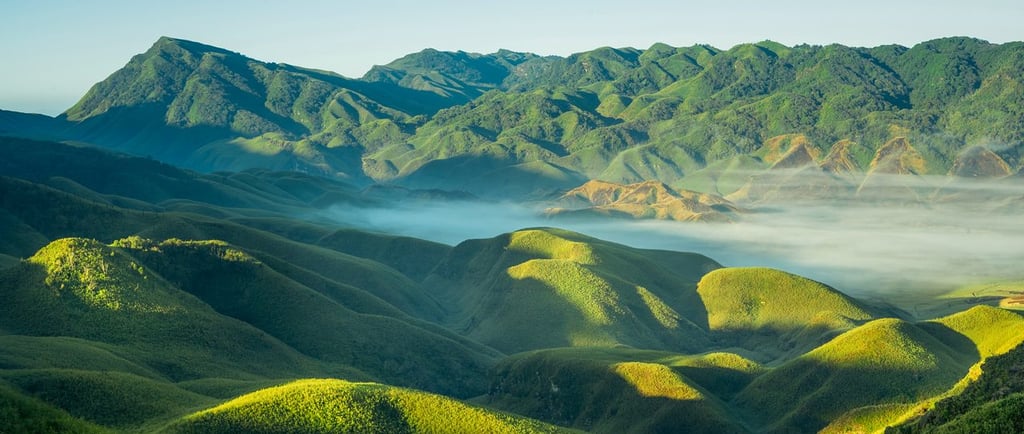
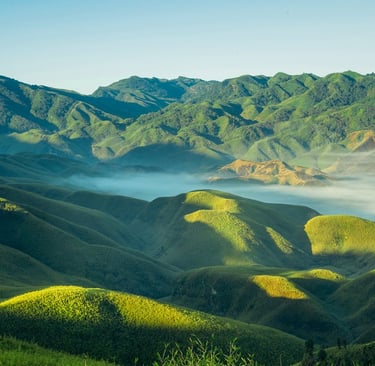
Watch Sunrise from Dzükou Valley (Nagaland)
I woke to mist rising off the hills, the valley floor carpeted in green so perfect it looked painted. The trek to Dzükou isn’t just about reaching the top—it’s about patience, breath, and watching your thoughts settle. Along the way, you pass bamboo forests, stone paths slick with moss, and wildflowers that only bloom once a year. Stay overnight in the basic rest house. Wake up before dawn. Carry your waste back. Cook maggi over a small fire and share it with fellow travelers. The valley doesn’t ask for photos. It asks for stillness.
Best Time: October to May
Weather: Cool, misty mornings, pleasant afternoons
Know Before You Go: The trek is moderate; start early, carry water, and avoid monsoon months due to slippery trails.
Share a Meal at an Apatani Homestay in Ziro (Arunachal Pradesh)
My host mother served smoked pork and rice in leaf bowls, her hands quick and practiced. We sat on the floor, surrounded by wood smoke, family chatter, and woven walls that seemed to breathe with time. The Apatani practice wet rice farming in a way that feels symbiotic, not extractive. They tattoo their faces and pierce their noses in ancestral memory. There’s no Wi-Fi here—just firelight, folklore, and a sense of belonging. Learn how they preserve bamboo shoots, how every dish starts with a story. Staying here is a lesson in simplicity and mutual respect.
Best Time: March to October
Weather: Mild to warm; dry in spring and summer
Know Before You Go: Inner Line Permit (ILP) required; respect local customs and accept food with your right hand.
Be Part of Myoko Festival in the Villages around Ziro
This isn’t a staged event. It’s lived memory. During Myoko, village alliances are renewed, pigs are sacrificed to honor ancestors, and rice beer flows in bamboo mugs. I was invited to witness a ritual sacrifice. It was raw, loud, full of drumbeats and chants. An elder told me, "This is not for watching. It’s for remembering." The days that followed were filled with feasting, dancing, and quiet moments by the hearth. If you go, go with a local. Listen more than you speak. Don’t just watch—receive.
Best Time: March (dates vary yearly)
Weather: Crisp spring weather, cool evenings
Know Before You Go: Festival is sacred; photography may be restricted during rituals. Ask before capturing moments.
Walk the Living Root Bridges in Nongriat (Meghalaya)
To reach Nongriat, you descend 3,000 steps carved into lush hillside. The bridges, alive and growing, are trained from rubber tree roots over decades. The villagers tend them like family. Walk them barefoot. Feel their pulse. Stay in a homestay. Eat boiled pumpkin with sesame, wild ferns, and sticky rice. Bathe in the turquoise pools. Wake up to cicadas and mist. Here, nothing is rushed—not the bridges, not the days.
Best Time: October to April
Weather: Pleasant, with cool mornings and warm afternoons
Know Before You Go: The descent and climb back up are physically demanding. Carry light and wear good shoes.
Sit in on Morning Prayers at Tawang Monastery (Arunachal Pradesh)
The chants begin in darkness. You sit barefoot on cold stone, wrapped in shawls. A young monk beside you offers butter tea, thick and salty. The monastery, built in the 17th century, rises like a citadel of clouds. Watch as the light filters in, illuminating golden thangkas, flickering lamps, and rows of boys barely ten years old chanting in rhythm. Afterwards, visit the library where ancient scriptures are still preserved. Tawang isn’t just a place. It’s a breath held in prayer.
Best Time: March to October
Weather: Cold mornings, clear skies, occasional snow in early spring
Know Before You Go: High altitude—acclimatize in Dirang before visiting. Silence and modest dress are appreciated.
Visit the Sacred Groves of Mawphlang (Meghalaya)
A Khasi elder walked with me and said, "Don’t take anything. Not even a leaf." These sacred groves are protected by tribal law. No cutting. No plucking. They are living temples. He pointed out trees used in medicine, stones once used in rituals, and plants that only grow in shadows. The forest hums with stories. If you go, hire a local guide. Listen to the way they speak of the trees—as ancestors, not objects. It will shift how you see any forest again.
Best Time: October to April
Weather: Cool and pleasant; light fog in mornings
Know Before You Go: Entry allowed only with guides; follow rules strictly, and avoid loud conversation.
Watch Sunset Over Loktak Lake (Manipur)
The floating phumdis—circular islands of vegetation—drift gently with the breeze. I sat at a small wooden watchtower built by a local cooperative. A Sangai deer stirred in the distance. Fishermen, barefoot and silent, moved through the water like dancers. The lake reflects the sky, and in its mirror, you lose urgency. Visit the Keibul Lamjao National Park. Stay with families who live near the shore. Let the lake unteach you hurry.
Best Time: November to March
Weather: Crisp air, clear sunsets, light chill in evenings
Know Before You Go: Avoid disturbing phumdis or wildlife. Sunglasses and a zoom lens are great for spotting Sangai deer.
Ride through the Tea Gardens of Dibrugarh (Assam)
Wake early. The mist lifts slowly off endless rows of tea bushes. Women in bright scarves pluck leaves with a rhythm passed down generations. Join them if you’re welcome. Share a laugh. Stop for chai brewed on a roadside fire. Stay in a planter’s bungalow from the British era—many are now homestays. Visit a factory to learn how leaf turns into liquor. Walk the fields at sunset, when the light turns golden and the breeze smells of leaves and labor.
Best Time: October to March
Weather: Mild, misty mornings; warm days
Know Before You Go: Ask before taking photos of workers. Some gardens offer guided walks and tastings—book in advance.
Experience Hornbill Festival with a Local Host (Nagaland)
At first, it looks like a carnival—bright costumes, bamboo stalls, war dances. But go behind the scenes. Stay with a local family. Join them as they prepare pork stew over a wood fire. Visit the Morungs—tribal dormitories that hold stories of headhunting and healing. Ask an elder what their necklace means. Don’t just take pictures. Ask questions. The festival can be performance. Or it can be a portal.
Best Time: December 1–10 (Annual festival)
Weather: Cold evenings, crisp sunny days
Know Before You Go: Book accommodation early—Kisama and Kohima fill up. Dress warmly and be respectful during cultural performances.
Stand in Silence at the Kohima War Cemetery (Nagaland)
One inscription stays with everyone: "When you go home, tell them of us…" The graves aren’t just British or Indian. They are human. Read the names. Many were barely twenty. A gardener told me he still gets letters, left by grandchildren who never met their forebears. Stand at the tennis court-turned-battlefield. Hear the silence. Leave a wildflower. Let remembrance be your quiet souvenir.
Best Time: October to April
Weather: Cool, dry, and clear
Know Before You Go: Entry is free and always open. Maintain silence. Avoid loud clothing or behavior.
These aren’t just activities. They’re invitations—to slow down, listen deeply, and let the Northeast show you not just what it looks like, but who it is.